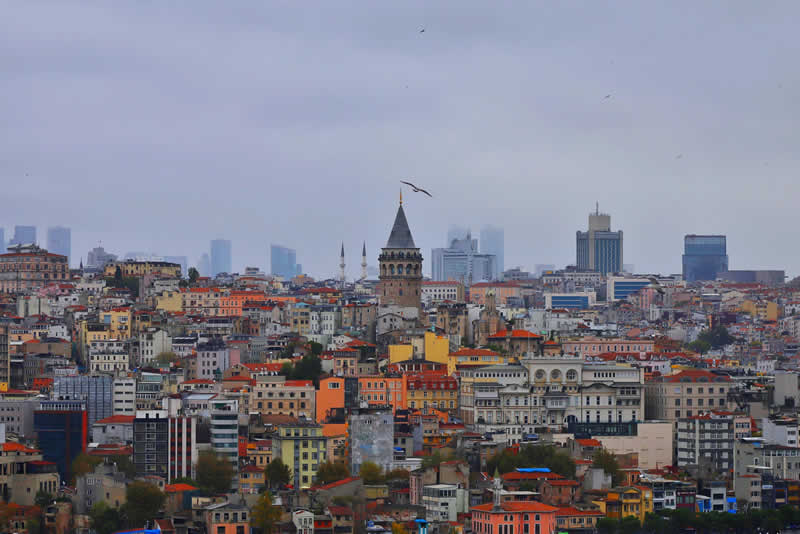
Istanbul in 2026 is a city that has masterfully bridged its millennial history with a cutting-edge cosmopolitan energy. Recognized as one of Europe’s most desirable cities this year, it offers a unique blend of "Slow Travel" and high-tech infrastructure. This guide explores how the "City of Two Continents" has transformed into a global blueprint for the smart, sustainable urban centers of the future.
The Rise of the Smart City: Istanbul’s Digital Revolution
In 2026, Istanbul is no longer just about its ancient walls; it is about the invisible digital threads that make city life seamless. The "Smart Istanbul" initiative has integrated AI-driven traffic management, real-time public transport optimization, and a city-wide high-speed 6G network that covers even the most winding alleys of the Grand Bazaar.
For the traveler, this means that the Istanbul MegaPass is now a fully biometric digital identity. You no longer need to carry physical cards or tickets. Your palm or face is your key to the Metro, the Museums, and even localized street food vendors who participate in the city’s digital payment ecosystem. This shift has not only reduced plastic waste but has significantly decreased wait times at major landmarks by up to 40%.
Sustainable Travel: The Green Transformation of the Bosphorus
One of the most striking changes in 2026 is the environmental revitalization of the Bosphorus strait. The city has introduced a fleet of 100% electric "Solar Ferries" that glide silently between Europe and Asia. These vessels have replaced the noisy, diesel-emitting older models, offering passengers a peaceful commute with zero carbon footprint.
Furthermore, the "Green Corridors" project has successfully connected major parks like Maçka, Yıldız, and Emirgan with walkable, plant-filled pedestrian bridges and cycling paths. Istanbul in 2026 is a city where you can walk from the heart of the business district in Levent to the shores of the Bosphorus without ever leaving a shaded, green environment. This commitment to urban nature has made the city a haven for "Eco-Tourists" who seek luxury without environmental guilt.
The 2026 Cultural Renaissance: A Global Hub for Art
Istanbul’s cultural calendar in 2026 is busier than ever. The newly inaugurated Yenikapı Arts District, built over the archaeological site of the ancient Theodosian Harbor, has become the cultural epicentre of the Middle East and SE Europe. It hosts the biennial "Digital Eurasia" art fair, where VR and AR installations reimagine the city’s history in immersive formats.
The 2026 Tulip Festival has also evolved. Beyond the floral displays, it now incorporates bio-luminescent installations at night, turning parks like Göztepe into glowing wonderlands. These events are designed to be "Zero-Waste," with all materials being recycled or composted, reflecting the city’s modern ethos.
The New Architecture: Skyscrapers and Subterranean Wonders
While the minarets of the Blue Mosque still dominate the skyline of the Historical Peninsula, the outskirts of the city have seen an architectural boom. The Finans Merkezi (International Finance Center) in Ataşehir is now fully operational, featuring some of the world’s most energy-efficient skyscrapers with integrated vertical forests.
Below ground, the expansion of the "Marmaray Plus" network has created subterranean plazas filled with digital art galleries and climate-controlled shopping hubs. These spaces provide a futuristic escape from the summer heat, proving that Istanbul’s growth is happening in every direction—up, down, and across the water.
Digital Nomad Life: Why Istanbul is the #1 Work-from-Anywhere Destination
In 2026, Istanbul has officially surpassed Lisbon and Bali as the top destination for digital nomads. The city’s "Nomad Visa 2.0" offers tax incentives and access to a network of "Innovation Hubs" located in restored Ottoman-era mansions along the Bosphorus. Imagine working on a high-stakes project from a 200-year-old library with a view of the Rumeli Fortress.
The cost of living, while rising, remains highly competitive for those earning in USD or EUR, especially when combined with the "Nomad Housing Program" which connects remote workers with local homeowners for mid-term stays. This has fostered a unique international community where tech-savvy travelers and local artisans collaborate in the cafes of Kadıköy and Arnavutköy.
Future Transportation: From Electric Trams to Air Taxis
By 2026, the first commercial eVTOL (Electric Vertical Take-Off and Landing) routes have begun operating between the New Istanbul Airport (IST) and the central hubs of Galataport and Ataşehir. What used to be a 60-minute drive can now be achieved in a 12-minute aerial glide, offering unparalleled views of the city’s geography.
On the ground, the "Autonomous Tram" pilot in the Fatih district has become a model for preserving historic centers. These driverless, sensor-equipped trams navigate the narrow, crowded streets with precision, reducing accidents and allowing the area to be almost entirely pedestrianized. This has returned the streets of Sultanahmet to their original intended use: for people, not cars.
Conclusion: The Timeless City in a New Age
Istanbul in 2026 is a testament to the fact that a city can embrace the future without losing its soul. It is a place where you can use a holographic guide to understand a 1,500-year-old mosaic in the Hagia Sophia, and then take a silent, electric ferry to a futuristic data-center turned cafe in Kadıköy. It is a city of layers, where every new technological advancement adds a new chapter to an story that began three millennia ago. For the traveler in 2026, Istanbul isn’t just a destination; it’s a preview of what a vibrant, multi-cultural, and technologically advanced world can look like.